On This Page
Overview — Who This Is For
Most Hangzhou itineraries rush you through the highlights in two or three days. This five-day deep dive is different. It is designed for travelers who want to absorb the city's rhythm rather than check off a list. You will have time for early-morning temple visits before the crowds arrive, lazy afternoons in tea villages, and evening walks along the lake when the light turns golden.
This itinerary is ideal for slow travelers who prefer lingering over rushing, culture enthusiasts who want to understand the stories behind the pagodas and pavilions, photographers chasing the best light at each location, and return visitors who have already seen the main sights and want to go deeper. If you are a first-time visitor with only two days, this will still work — just pick the days that speak to you most.
💡 Pro Tip
If you can, schedule your five days to include at least one weekday. West Lake and Lingyin Temple are significantly quieter on Tuesday through Thursday. Weekends — especially Sunday — bring domestic tourist crowds that can transform peaceful spots into busy thoroughfares.
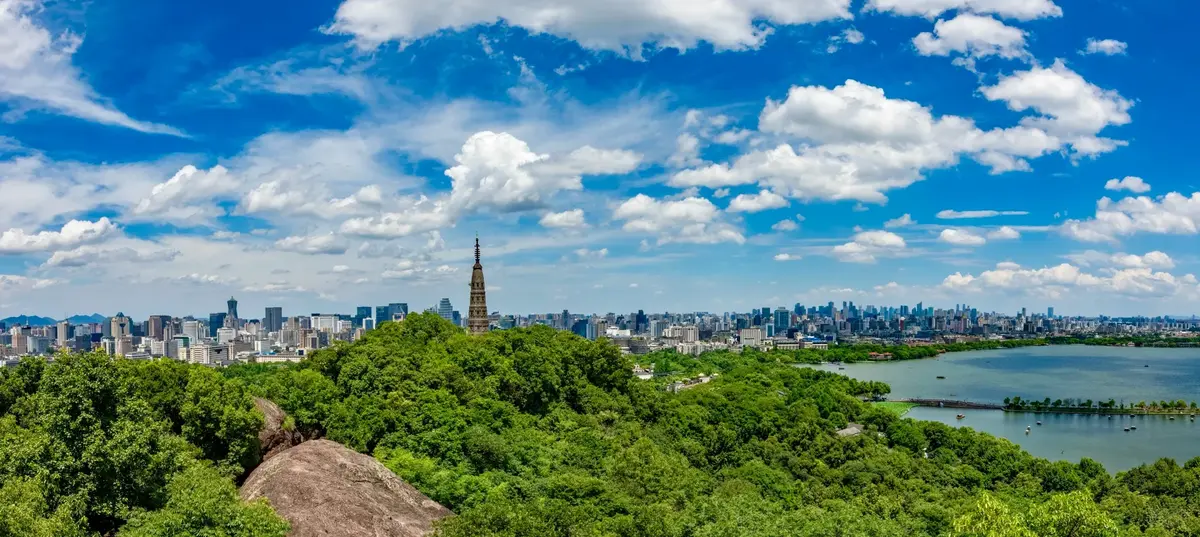
Day 1 — Arrival + West Lake Orientation
Your first day is about settling in and getting your bearings. There is no rush — the goal is to establish a connection with the lake that will deepen over the coming days.
Afternoon Arrival & Check-In
Arrive at Hangzhou East Station (high-speed rail) or Hangzhou Xiaoshan Airport. Take a Didi (ride-hail) or Metro Line 1 to your hotel near West Lake. Drop your bags, freshen up, and resist the urge to immediately start sightseeing — you have five days. Grab a coffee at a lakeside cafe and simply sit for a moment.
Late Afternoon — West Lake Lakeside Walk
Around 4:00 PM, head to the eastern shore of West Lake near Hubin Road. This is the city's elegant lakeside promenade, lined with plane trees and upscale shops. Walk north along the shore toward the Sixth Park area. The late-afternoon light on the water is spectacular, and you will see locals practicing tai chi, flying kites, and playing traditional instruments. Stop at the Hubin 28 area for views of the musical fountain stage and Leifeng Pagoda silhouetted against the western hills.
Evening — Welcome Dinner & Musical Fountain
For your first dinner, try Green Tea Restaurant (绿茶餐厅) near the lake — a Hangzhou institution serving refined local dishes in a beautiful setting. Order the beggar's chicken (叫花鸡), Dongpo pork (东坡肉), and West Lake vinegar fish (西湖醋鱼). After dinner, walk back to Hubin Road for the West Lake Musical Fountain show (usually 7:00 PM and 8:00 PM, free). The choreographed water jets, lights, and music against the dark lake are a perfect introduction to Hangzhou's blend of natural beauty and urban sophistication.
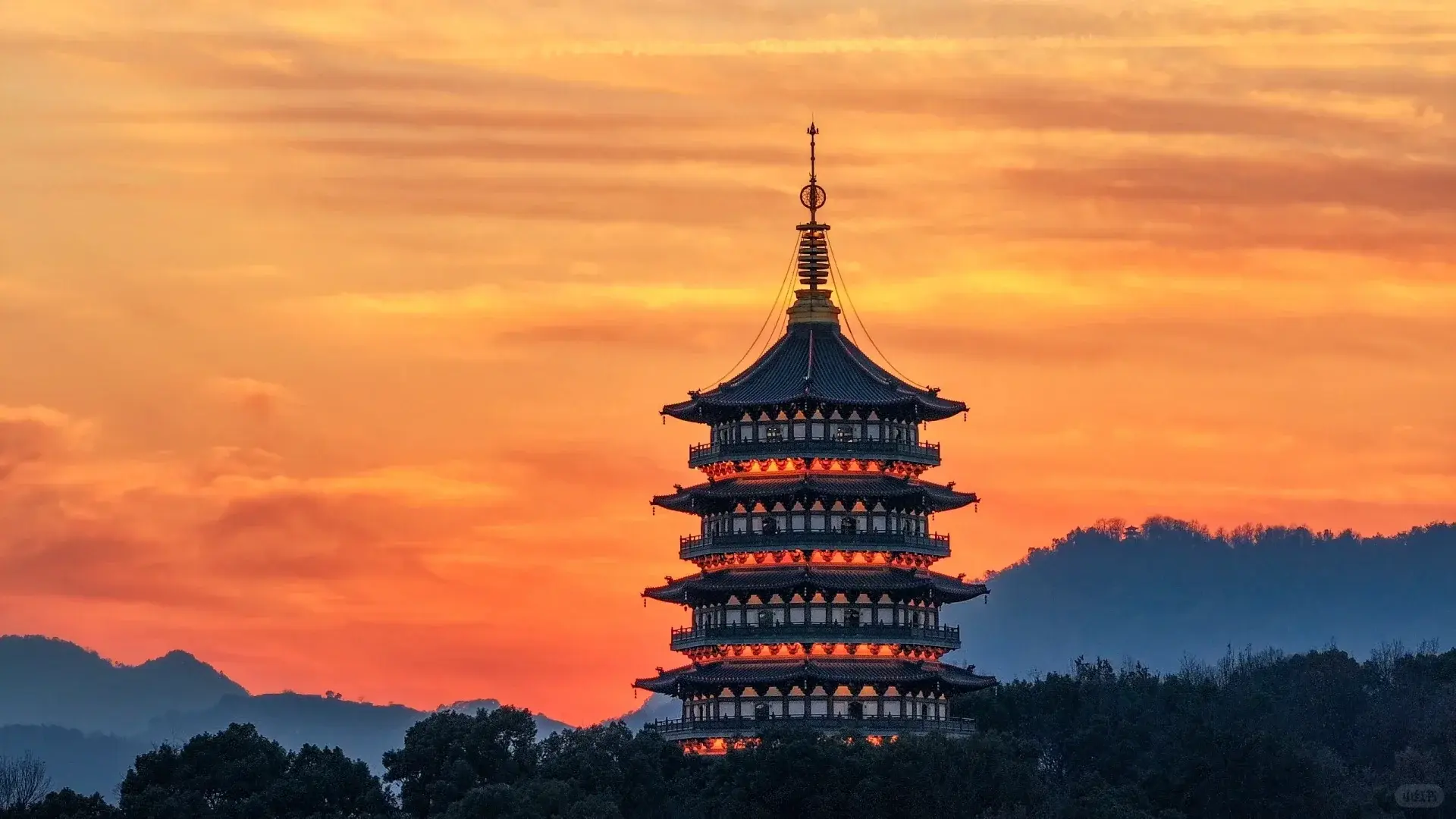
Day 2 — West Lake Deep Exploration
Today you will trace the lake's northern and southern shores, covering the classic Ten Scenes of West Lake at a pace that lets you actually appreciate them. Wear comfortable walking shoes — you will cover about 8-10 km on foot.
Morning — Broken Bridge to Gushan Island
Start at Broken Bridge (断桥残雪) around 8:00 AM. Despite the name, the bridge is intact — the "broken" refers to the way melting snow reveals the bridge's shadow in winter. Walk the Bai Causeway (白堤), a willow-lined path that cuts across the northern lake. Halfway along, you will reach Gushan Island (Solitary Hill), home to the Zhejiang Provincial Museum and the Autumn Moon Over Calm Lake (平湖秋月) viewing platform — one of the most photographed spots in Hangzhou. The museum is free and worth 30 minutes for its collection of local ceramics and calligraphy.
Midday — Lunch at Lou Wai Lou
On Gushan Island sits Lou Wai Lou (楼外楼), Hangzhou's most famous restaurant, operating since 1848. It has served everyone from Zhou Enlai to Queen Elizabeth II. The lakeside terrace tables are worth the wait. Order the West Lake vinegar fish (their signature dish since the Qing dynasty), Dongpo pork, and beggar's chicken wrapped in lotus leaves. Expect to pay 150-250 RMB per person. Reservations are recommended on weekends.
Afternoon — Leifeng Pagoda to Su Causeway
After lunch, take a short taxi or bus to Leifeng Pagoda (雷峰塔). The original 10th-century pagoda collapsed in 1924; the current structure (2002) has escalators and an elevator, but the view from the top — a 360-degree panorama of the lake, hills, and city — is genuinely breathtaking. Below the pagoda, visit the excavated ruins of the original foundation. Then walk the Su Causeway (苏堤) south to north — a 2.8 km path across the lake with six arched bridges, weeping willows, and flowering peach trees. It is at its most beautiful in late afternoon when the light turns golden.
Evening — Hefang Street & Dinner
End the day at Hefang Street (河坊街), a restored Qing-dynasty pedestrian street lined with traditional pharmacies, tea shops, and snack stalls. It is touristy, yes, but in the evening the red lanterns glow and the atmosphere is lively. Try ding sheng gao (定胜糕, victory cakes) and browse the traditional medicine museum at Hu Qing Yu Tang (胡庆余堂). For dinner, skip the tourist-trap restaurants on the main strip and find Xin Bai Lu (新白鹿) a few blocks away — excellent Hangzhou cuisine at local prices (60-100 RMB per person).
⚠ Heads Up
Leifeng Pagoda closes at 5:30 PM (last entry 5:00 PM). The elevator line can be 30+ minutes on weekends. If you are fit, take the stairs — you will beat the queue and earn the view.
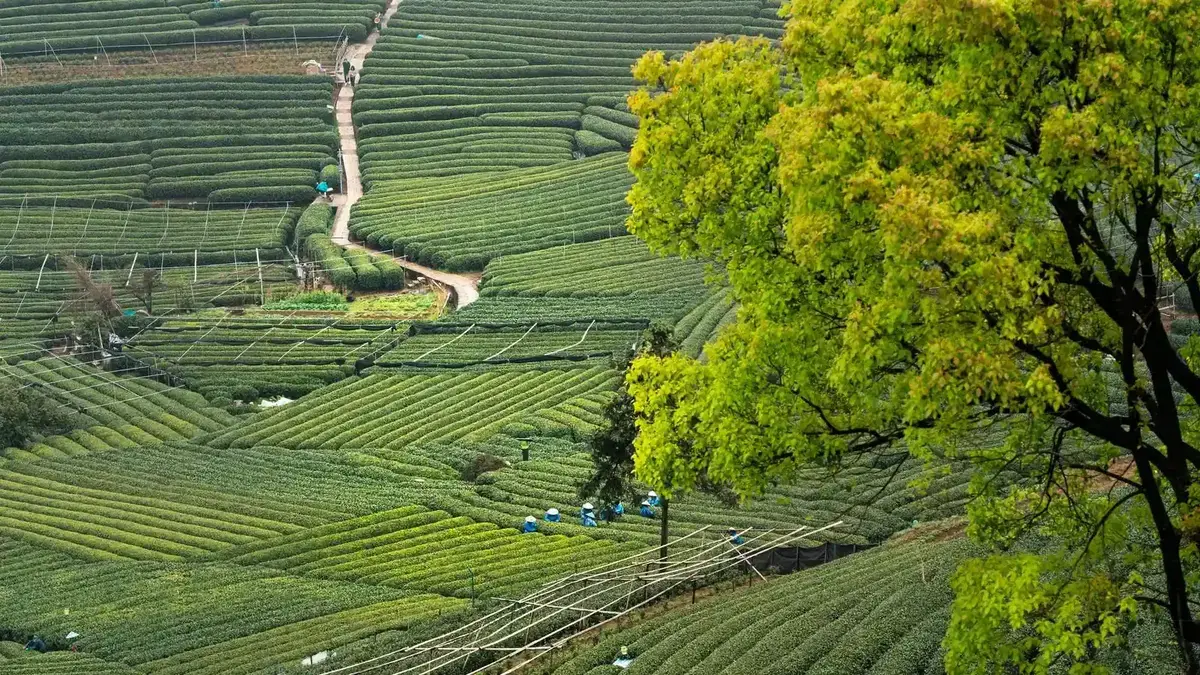
Day 3 — Temple + Tea Day
This is the soul of the itinerary. You will experience Hangzhou's two great treasures — Buddhist temple culture and Longjing tea — in a single, beautifully paced day.
Early Morning — Lingyin Temple (7:30 AM)
Arrive at Lingyin Temple (灵隐寺, Temple of Soul's Retreat) by 7:30 AM, right when it opens. This is non-negotiable. By 9:30 AM the temple complex fills with tour groups, and the meditative atmosphere evaporates. Founded in 328 AD, Lingyin is one of China's largest and most important Buddhist temples. The Hall of the Great Hero contains a 24.8-meter camphor wood statue of Sakyamuni — one of the largest seated Buddha statues in China. Walk slowly through the halls, light incense if you wish, and absorb the scent of sandalwood and the sound of chanting monks. The Feilai Feng (飞来峰, Peak That Flew Here) grottoes outside the temple contain over 340 stone carvings dating from the 10th to 14th centuries.
Late Morning — Yongfu Temple
Above Lingyin, a 15-minute uphill walk through bamboo groves leads to Yongfu Temple (永福寺). Most tourists never make it here. Yongfu is smaller, quieter, and more intimate than Lingyin — a hidden gem where you can sit in a courtyard, listen to wind chimes, and watch monks tend the gardens. The temple has a small tea house with views over the valley. Spend 45 minutes here in genuine peace.
Lunch — Vegetarian Noodles at Lingyin
Before leaving the Lingyin area, eat at the temple's vegetarian restaurant. The vegetarian noodle soup (素面) is simple, nourishing, and costs about 25 RMB. Buddhist vegetarian cuisine in China is an art form — the "mock meat" dishes made from tofu skin and mushrooms are surprisingly convincing.
Afternoon — Longjing Village to Nine Creeks Trail
Take a short taxi (15 minutes) to Longjing Village (龙井村), the birthplace of China's most famous green tea. Walk through the terraced tea fields, visit a local tea farmer's home for a tasting (expect to pay 30-50 RMB per person for a proper session), and learn how Longjing tea is hand-roasted in woks. From Longjing, follow the Nine Creeks Trail (九溪十八涧) downhill — this 5 km walk through a forested valley crossed by eighteen small streams is arguably the most beautiful walk in Hangzhou. The trail ends near the Qiantang River. The entire walk takes about 1.5-2 hours at a gentle pace.
Evening — Tea House Dinner
End the day at a tea house restaurant near the lake. Qing Teng Tea House (青藤茶馆) offers a serene setting with traditional tea service and light dinner options. Alternatively, return to the Longjing area for dinner at a farm-to-table restaurant overlooking the tea terraces — the Longjing Caotang (龙井草堂) is exceptional but requires advance booking.
💡 Pro Tip
The Nine Creeks trail is best walked downhill (Longjing to Qiantang River). At the bottom, you can catch bus 308 or a taxi back to the city center. Wear shoes you do not mind getting wet — you will cross stepping stones over shallow streams.
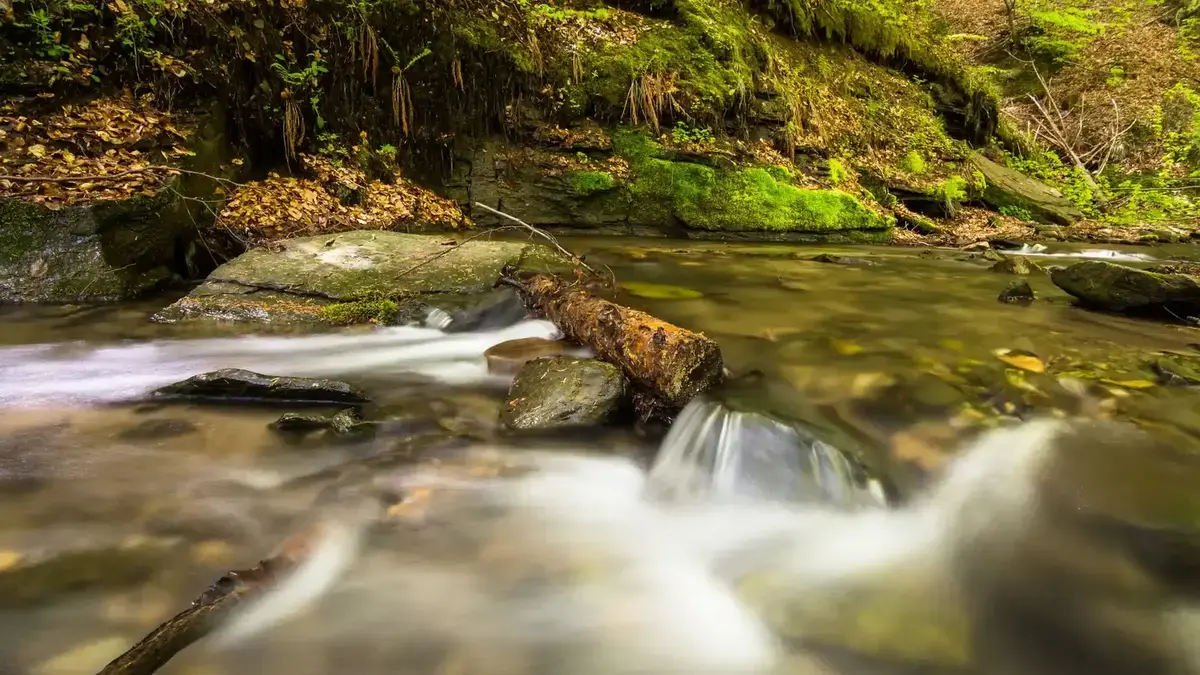
Day 4 — Xixi Wetland + Grand Canal
Today shifts from the lake to Hangzhou's other waterways — the wild wetlands of Xixi and the historic Grand Canal, two completely different aquatic worlds.
Morning — Xixi Wetland (3-4 Hours)
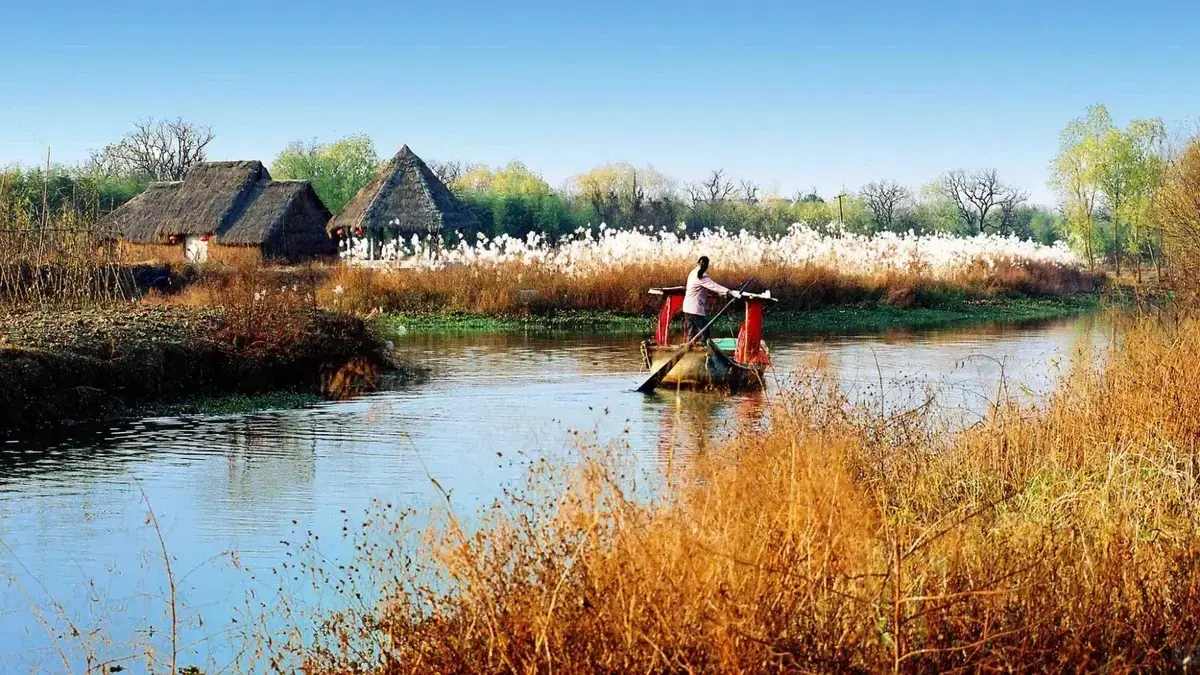
Arrive at Xixi National Wetland Park (西溪国家湿地公园) by 8:30 AM. This 1,150-hectare wetland is a world away from the manicured beauty of West Lake — it is wild, tangled, and wonderfully atmospheric. Take the boat. The electric punt boats glide silently through narrow waterways lined with reeds, willow trees, and traditional waterside houses. You will see egrets, kingfishers, and if you are lucky, the rare crested ibis. The boat route has several stops where you can disembark to explore plum groves, persimmon orchards, and restored Ming-dynasty scholar's studios. Budget 3-4 hours for the full experience. Entry is 80 RMB, boat ticket is 60 RMB.
Lunch — Near Xixi
Near the wetland's south entrance, Xixi Yanzhi (西溪宴址) serves excellent Hangzhou cuisine in a converted waterside mansion. Try the Xixi fish head casserole and seasonal wild vegetables harvested from the wetland area. Budget 100-150 RMB per person.
Afternoon — Grand Canal + Gongchen Bridge
Take a taxi to the Grand Canal area (about 25 minutes from Xixi). Start at the China National Canal Museum (free entry), which tells the story of the world's longest man-made waterway — 1,776 km from Hangzhou to Beijing, built over 1,400 years ago. The museum is modern, well-designed, and has good English signage. Then walk to Gongchen Bridge (拱宸桥), a 400-year-old stone arch bridge that marks the southern terminus of the Grand Canal. The surrounding Xiaohe Straight Street (小河直街) and Dadou Road (大兜路) historic districts are lined with cafes, craft breweries, and artisan shops housed in restored Qing-dynasty buildings — far less touristy than Hefang Street.
Evening — Grand Canal Night Cruise
Book the Grand Canal night cruise (100 RMB, about 1 hour). As darkness falls, the canal's historic bridges and buildings are illuminated with traditional lanterns. The cruise passes under Gongchen Bridge and through the old canal neighborhoods. It is a quieter, more atmospheric alternative to the West Lake night cruise. Afterward, have dinner at one of the craft beer pubs along Dadou Road — Hangzhou Craft Beer Bar has local brews and good pub food.
Day 5 — Hidden Gems + Departure
Your final morning is flexible. Choose one of these three options based on your interests, then spend the afternoon shopping or exploring before departure.
Option A — Six Harmonies Pagoda + Bamboo Forest
Head south to the Qiantang River to visit Six Harmonies Pagoda (六和塔), a 60-meter octagonal pagoda built in 970 AD to calm the river's legendary tidal bore. Climb to the top for sweeping river views. Then walk 15 minutes to the Yunqi Bamboo Forest (云栖竹径) — a serene path through towering bamboo groves that feels a world away from the city. Best for: photographers and nature lovers.
Option B — China National Silk Museum
The China National Silk Museum (中国丝绸博物馆) near West Lake is the largest silk museum in the world. It traces 5,000 years of silk history, from ancient sericulture to modern fashion, with stunning textile displays and a working silk worm exhibit. The museum building itself is a beautiful piece of modern architecture set in landscaped gardens. Free entry. Best for: culture buffs, fashion enthusiasts, and rainy-day backup.
Option C — Baopu Taoist Temple + Gem Mountain
Climb Gem Mountain (宝石山) on the north shore of West Lake — a short but steep 20-minute hike to Baopu Taoist Temple (抱朴道院), one of China's few remaining Taoist temples. The view from the top, looking south across the entire lake with the city skyline behind you, is arguably the best in Hangzhou. The temple itself is small, ancient, and genuinely spiritual — a contrast to the grand Buddhist complexes. Best for: hikers, photographers, and those seeking a quieter spiritual experience.
Lunch — Local Favorite
For your final meal, try Kuiyuan Guan (奎元馆), a noodle restaurant operating since 1867 near Wulin Square. Their signature shrimp-and-eel noodles (虾爆鳝面) are legendary. Alternatively, Zhang Sheng Ji (张生记) serves excellent old-school Hangzhou dishes in a grand setting — their braised bamboo shoots and duck soup are famous.
Afternoon — Last-Minute Shopping or Free Exploration
Pick up souvenirs: Longjing tea from a reputable shop (avoid the tourist markets — go to the Longjing Village cooperative or Wushan Tea Market), silk scarves from the Hangzhou Silk Market on Xinhua Road, or Wang Xing Ji (王星记) hand-painted fans. If you prefer to skip shopping, spend your final hours walking a section of the lake you have not yet explored, or revisit your favorite spot from the week.
💡 Pro Tip
If your departure is from Hangzhou East Station, allow 45 minutes from the West Lake area by taxi or 30 minutes by Metro Line 1. For Xiaoshan Airport, allow 1 hour by taxi or the airport shuttle bus from Wulinmen.
Where to Stay
For a five-day stay, consider splitting your accommodation to experience two different sides of Hangzhou:
- 3 nights near West Lake (Days 1-3) — Stay in the Hubin, Nanshan Road, or Beishan Road area. This puts you walking distance from the lake, Hefang Street, and the eastern shore attractions. Recommended: Four Seasons Hangzhou (luxury, from 3,500 RMB/night), Shangri-La Hangzhou (mid-range, from 800 RMB/night), or Hangzhou West Lake Youth House (budget, from 80 RMB/bed).
- 2 nights near Xixi or Wulin (Days 4-5) — Stay near Xixi Wetland for a quieter, more residential experience, or in the Wulin business district for easy access to the Grand Canal and shopping. Recommended: Banyan Tree Hangzhou (luxury, from 2,500 RMB/night, set within Xixi Wetland itself), Courtyard by Marriott Hangzhou Wulin (mid-range, from 500 RMB/night).
Budget Estimate (Per Person, 5 Days)
| Category | Budget | Mid-Range | Luxury |
|---|---|---|---|
| Accommodation (4 nights) | ¥400–800 | ¥1,600–3,200 | ¥8,000–16,000 |
| Food & Drink | ¥500–800 | ¥1,200–2,000 | ¥2,500–4,000 |
| Transportation | ¥150–250 | ¥300–500 | ¥600–1,000 |
| Attractions & Activities | ¥200–350 | ¥400–600 | ¥800–1,200 |
| Shopping & Misc | ¥200–400 | ¥500–1,000 | ¥1,500–3,000 |
| Total (RMB) | ¥1,450–2,600 | ¥4,000–7,300 | ¥13,400–25,200 |
| Total (USD approx.) | $200–360 | $550–1,000 | $1,850–3,500 |
These estimates exclude international flights and visa fees. Budget travelers can reduce costs further by staying in hostels, eating at local noodle shops, and using public buses. Luxury travelers should note that Hangzhou's top hotels (Four Seasons, Amanfayun, Banyan Tree) are among the best in China and worth the splurge.
Getting Around
- Metro — Hangzhou's metro system now has 12 lines covering most areas you will visit. Fares are 2-8 RMB. Get a rechargeable metro card or use Alipay's transport QR code. Line 1 connects the train station, Wulin Square, and West Lake east shore.
- Didi (ride-hail) — The most convenient option. Download the Didi app (or use the mini-program inside Alipay). Rides within the city center cost 15-40 RMB. Have your destination written in Chinese characters to show the driver.
- Public Buses — Extensive network, fares 2-3 RMB. Bus 7 runs from the train station to Lingyin Temple via West Lake. Buses can be crowded and slow during peak hours.
- Bicycle — Hangzhou's public bike-sharing system (red bikes) and the ubiquitous blue HelloBikes are excellent for exploring the lake area. The Su Causeway and Bai Causeway are bike-friendly. Download the HelloBike app or use Alipay to scan and unlock.
- Walking — The West Lake loop is about 12 km and makes for a wonderful half-day walk. Many of the best experiences in Hangzhou happen on foot.
Day Trip Options
If you want to swap one of the five days for a day trip outside Hangzhou, here are three excellent options:
Shaoxing — Water Town of Calligraphy & Wine (1 hour by train)
Shaoxing is a quiet canal town famous for its rice wine (huangjiu) and as the hometown of writer Lu Xun. Take a black-awning boat through the old town canals, visit Lu Xun's childhood home, and tour a traditional rice wine brewery. Far less touristy than Suzhou's water towns. The high-speed train from Hangzhou East takes just 19 minutes.
Moganshan — Bamboo Forests & Mountain Retreats (1.5 hours by car)
Moganshan is a mountain resort area known for its bamboo forests, cool summer temperatures, and beautifully restored 1920s stone villas built by European colonists. Hike through bamboo groves, visit the Moganshan tea plantations, and have lunch at a converted villa. Best as a full-day trip with a hired driver (about 400-500 RMB round trip).
Wuzhen — China's Most Famous Water Town (1 hour by car or bus)
Wuzhen is a meticulously preserved ancient water town of wooden houses, stone bridges, and cobblestone lanes crisscrossed by canals. It is touristy but genuinely beautiful, especially in the early morning or evening when day-trippers have left. Stay overnight if you can — the town is magical when the lanterns come on. Direct buses from Hangzhou East Station take about 1.5 hours.
Frequently Asked Questions
Is 5 days too long for Hangzhou?
Not at all — if you enjoy a relaxed pace. Most travelers spend 2-3 days and leave feeling they rushed. Five days lets you experience early mornings at temples, lazy afternoons in tea villages, and evenings by the lake without feeling pressed. You will also have time for the wetlands, canal, and a day trip if you choose. If you are the type who gets bored easily, three days may suffice — but this itinerary is designed for travelers who want to sink into the city's rhythm.
What is the best time of year for this itinerary?
Spring (March-May) and autumn (September-November) are ideal. Spring brings mild temperatures (15-25degC) and blooming peach blossoms along Su Causeway. Autumn offers crisp, clear days and golden ginkgo leaves. Avoid the first week of October (National Day holiday) and the first week of May (Labor Day) — domestic tourism peaks and attractions become uncomfortably crowded. Summer (June-August) is hot and humid but the lotus flowers on West Lake are spectacular. Winter (December-February) is cold and grey, but you may catch the lake in snow — a rare and magical sight.
Do I need to book attractions in advance?
For most attractions, no — you can buy tickets at the gate. However, Lingyin Temple and Xixi Wetland now require real-name registration (passport number). Some attractions offer small discounts for online booking via Ctrip (Trip.com) or Meituan. The Grand Canal night cruise should be booked a day ahead during peak seasons. If you plan to eat at Lou Wai Lou on a weekend, call ahead for a reservation.
How much walking is involved each day?
Day 2 is the most walking-intensive at 8-10 km. Day 3 involves about 6-7 km (including the Nine Creeks trail). Days 1, 4, and 5 are lighter at 4-6 km each. The terrain is mostly flat with some gentle hills. If mobility is a concern, you can substitute taxis for the longer walking segments — the Su Causeway has electric carts (10 RMB per segment), and the Nine Creeks trail can be shortened by starting at the midway point.
Can I do this itinerary with children?
This itinerary is better suited to adults and older teens. The long walking days, temple visits, and tea-focused activities may not hold younger children's attention. For families with kids under 14, we recommend our Family-Friendly 3-Day Itinerary instead, which includes the zoo, science museum, and boat rides.