On This Page
The Green Cathedral
Yunqi Bamboo Forest (云栖竹径, Yún Qī Zhú Jìng) — the name translates poetically to "Cloud-Dwelling Bamboo Path" — is one of the most enchanting natural spaces in Hangzhou and a designated New Ten Scene of West Lake. Unlike the curated gardens around the lake, Yunqi is a wild-feeling bamboo grove covering a hillside southwest of the city, where towering stalks of Moso bamboo rise 20 meters or more, their tops arching together to form a natural green cathedral. Entering the forest feels like stepping into another world — the temperature drops noticeably, the light turns emerald, and the only sounds are the creak of bamboo swaying in the breeze and the rustle of leaves overhead.
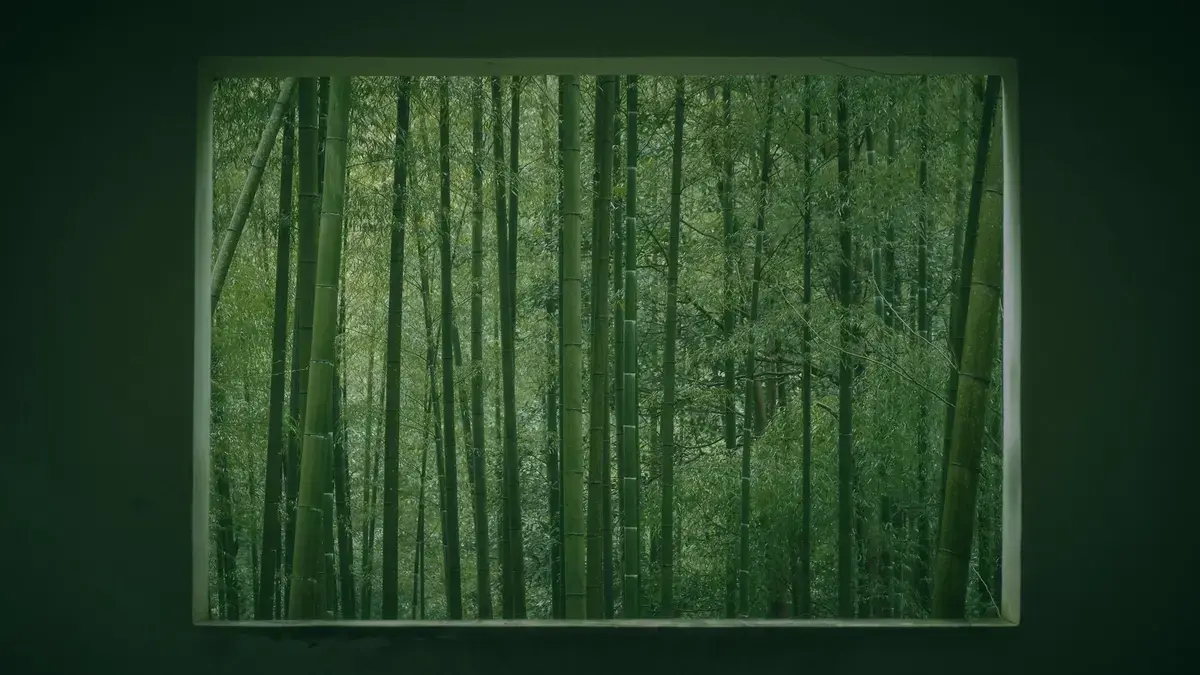
The forest is crossed by a centuries-old stone-paved path that winds gently uphill through the bamboo. At intervals, the path passes small clearings with benches, moss-covered stone walls, and the occasional pavilion. The atmosphere is deeply meditative — it is easy to understand why generations of Hangzhou scholars and poets came here seeking inspiration and solitude. Even on weekends, the forest never feels truly crowded because the bamboo absorbs sound so effectively that other visitors seem to exist in a separate, muffled world.
💡 Insider Tip
Arrive at opening time (7:00 AM) on a weekday for the most magical experience. Morning mist often lingers in the bamboo until 8:30–9:00 AM, and the low-angle sunlight creates dramatic beams through the stalks. This is also when local photographers come — watching them work is an education in composition.
Best Photo Conditions
Yunqi Bamboo Forest is one of Hangzhou's most photogenic locations, but timing is everything. The golden window is 7:00–9:00 AM, especially on mornings after rain or with high humidity when mist hangs in the grove. The key shot everyone wants is the "light beams through bamboo" — shafts of sunlight filtering through the canopy and illuminating the green stalks. This requires a clear morning with some mist or dust particles in the air to make the beams visible. A wide-angle lens (24mm or wider) works best to capture the towering scale of the bamboo.
Other excellent photo spots include the ancient tree grove near the upper section of the path, where several trees over 1,000 years old create a dramatically different atmosphere from the bamboo, and the reflection pool near the entrance, where the bamboo reflects in still water on calm days. For portrait photographers, the path itself — with its worn stone steps framed by vertical bamboo stalks — provides natural leading lines and a sense of depth.
The Stone Path & Ancient Trees
The stone path through Yunqi dates back to the Ming Dynasty (1368–1644) and follows the course of an even older pilgrims' route. The stones are worn smooth by centuries of footsteps, and the path is lined with carved stone railings and occasional stele inscriptions. About halfway up, the path passes through a grove of ancient trees — including a ginkgo tree estimated to be over 1,000 years old, its massive trunk requiring several people to encircle. This tree, known as the "Thousand-Year Ginkgo," is particularly spectacular in autumn when its fan-shaped leaves turn brilliant gold.
Other ancient specimens include camphor trees and Chinese sweetgum, some of which predate the bamboo itself. These trees survived the various upheavals that periodically cleared the bamboo (which was harvested for construction and crafts), and their gnarled, ancient forms provide a dramatic contrast to the smooth, vertical bamboo stalks. Information plaques (in Chinese) identify the oldest specimens and estimate their ages.
Trail to the Pavilion
The stone path continues uphill beyond the ancient tree grove to the Keting Guanjing Pavilion (可停留观景亭), a traditional viewing pavilion located near the top of the ridge. The climb takes about 30–40 minutes from the entrance and is moderately steep in sections, but the path is well-paved and shaded throughout. From the pavilion, you can look back down through the bamboo canopy and, on clear days, see across the valley toward the Qiantang River.
For those who want a longer walk, the trail continues from the pavilion to connect with the Nine Creeks trail system, making it possible to hike from Yunqi all the way to Longjing Village (about 8 km total) through continuous forest and tea terraces. This is one of the best day hikes in the Hangzhou area.
How to Get There
Yunqi Bamboo Forest is located in the hills southwest of West Lake. Bus 103 runs from the city center to the Yunqi Zhujing bus stop, right at the entrance (about 40 minutes from Wulin Square). A taxi or Didi from West Lake costs approximately ¥35 and takes 20–25 minutes. The entrance fee is ¥8, paid at a small ticket booth at the base of the path.
- Facilities: Restrooms are available at the entrance. There are no food vendors inside the forest — bring water and snacks.
- Accessibility: The path is stone-paved but involves steps and elevation gain. It is not wheelchair accessible.
- Mosquitoes: In summer, insect repellent is essential — the forest is damp and mosquitoes are plentiful.